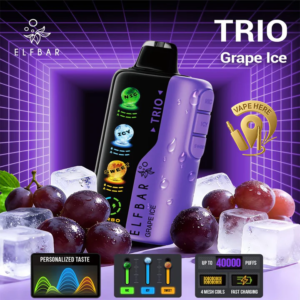
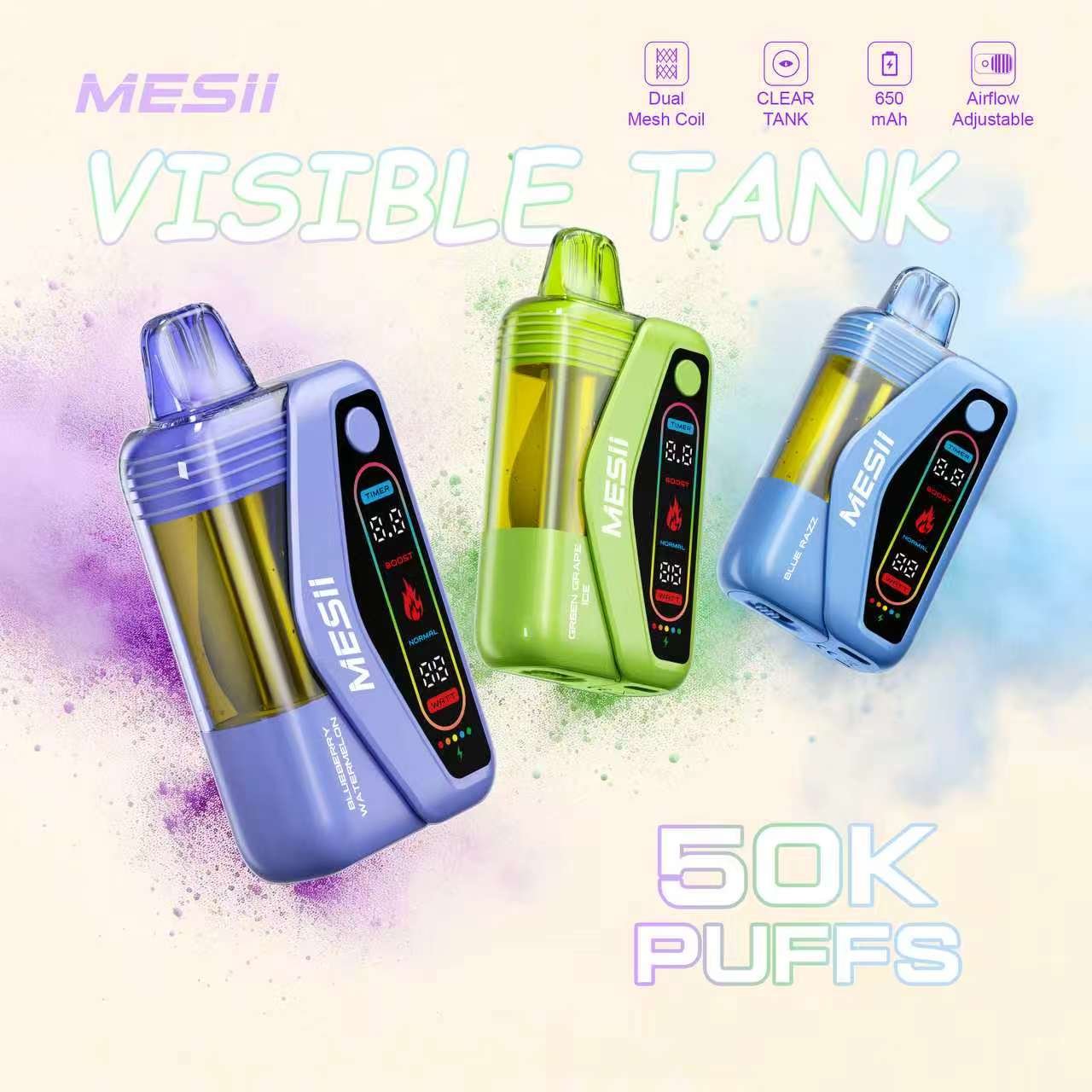
In the evolution of vaping hardware, we have moved from early cig-a-likes to closed-pod systems, and now to the era of the Transparent E-liquid Tank. This design shift is far more than a cosmetic trend; it represents a crucial intersection of user experience, safety, and industrial aesthetics.
Here are the four core reasons why transparent tanks have become a market favorite:
1. Eliminating “Dry Hit” Anxiety
For any vaper, the worst experience is unexpectedly inhaling a burnt taste.
-
Real-time Visibility: Traditional closed pods or early disposables acted like a “black box,” leaving users guessing when the liquid would run out. A transparent design makes the oil level instantly visible.
-
Coil Protection: By seeing exactly when the liquid is low, users can stop before the wick runs dry. This prevents the dreaded burnt coil, ensuring a consistent flavor profile and avoiding the inhalation of harsh, overheated materials.
2. Building Product Transparency and Trust
In a competitive market, the quality and quantity of e-liquid are top priorities for consumers.
-
Visual Purity: A clear tank showcases the clarity and consistency of the e-liquid. High-quality, residue-free liquid builds immediate trust with the user.
-
Honest Capacity: Transparent designs serve as a commitment to honesty. It allows users to see the actual fill volume, effectively reducing concerns regarding “inflated puff counts” or under-filled tanks.
3. The “Hardcore Industrial” Aesthetic
Modern vaping devices are increasingly viewed as lifestyle tech accessories.
-
Mechanical Appeal: When paired with dual-mesh coils, visible circuit boards, and internal components, a transparent shell creates a “Hardcore Industrial” look that resonates with tech-savvy users.
-
Interactive Lighting: Transparent materials maximize the effect of internal LEDs and screens. The refraction of light through the liquid and casing gives the device a futuristic, high-tech glow during use.
4. A Tool for Brand Differentiation
In a crowded market, visibility offers a canvas for unique branding.
-
Structural Exposure: Brands can intentionally display precision-engineered internal parts or etched logos, creating a distinct visual identity that is hard to replicate with opaque plastics.
-
Material Contrast: The combination of matte metals or soft-touch finishes with high-transparency polymers (like PCTG) provides a premium tactile and visual contrast, elevating the overall “hand-feel” of the device.
The Bottom Line:
The rise of the transparent tank is an evolution from “blind usage” to “informed control.” It hands power back to the user, ensuring every puff is predictable, safe, and visually striking.