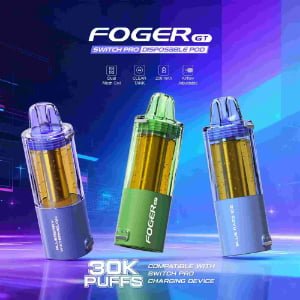

I get this question constantly from customers who want to know which device lasts longest. The answer sounds simple until you realize that the number on the box does not always match what happens in real life.
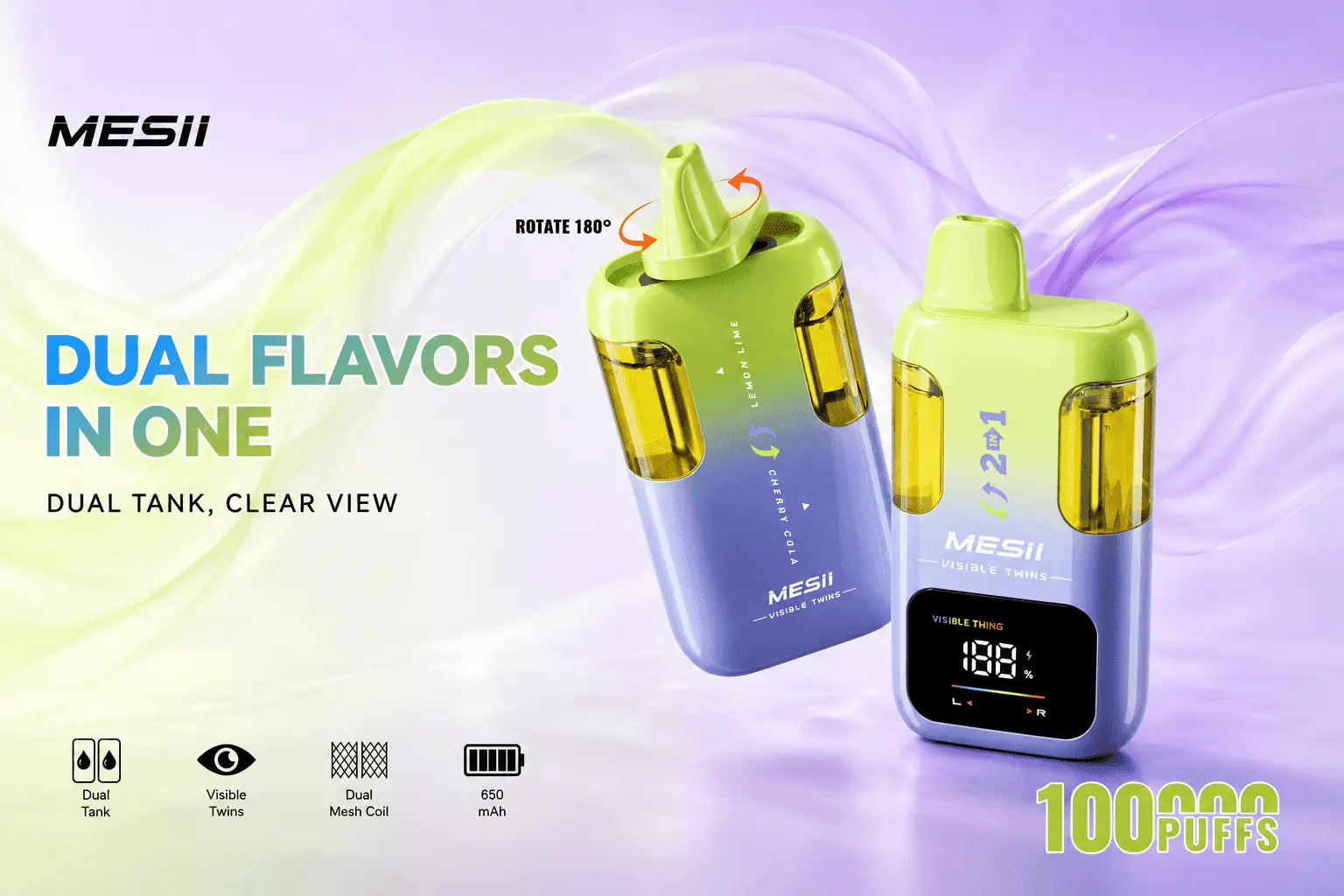
The highest puff count currently advertised in disposable vapes is around 100,000 puffs, but this number usually refers to the total capacity of a device with two separate tanks or flavor chambers. Actual usage depends on device structure, vaping habits, power modes, and e-liquid capacity.
I have tested dozens of these high-capacity devices over the past few years. What I learned is that a large puff number alone does not tell you much. You also need to understand how the device is built and how you plan to use it.
What does the puff count number actually mean?
Most people assume the puff count is a guarantee. It is not. It is an estimate based on controlled lab testing.
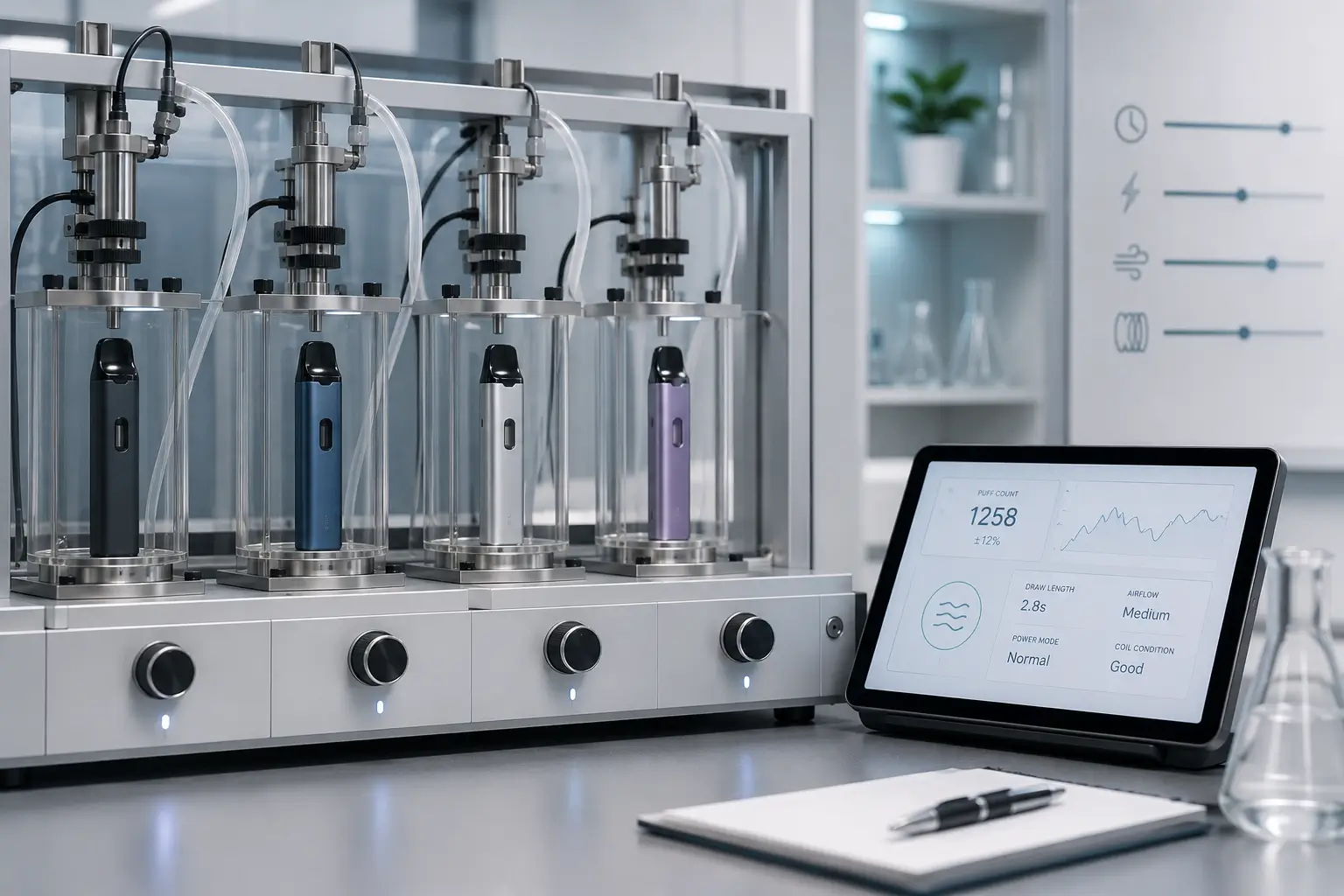
Puff count is a manufacturer estimate calculated under specific test conditions1. Real-world usage varies based on draw length, power mode, airflow settings, coil condition, and individual vaping habits. Two devices with the same advertised puff count may deliver different actual usage times.
I tested two different 50,000-puff devices last month. One lasted me 22 days. The other lasted 18 days. Same advertised number. Different results.
The difference came from three factors. First, one device had a stronger coil resistance. Second, I used boost mode more often on the second device. Third, the second device had slightly less e-liquid even though both claimed 50 milliliters.
Testing labs usually simulate puffs with fixed durations. They might use two-second draws with five-second intervals. But most real users do not vape like that. Some people take long, slow draws. Others take quick puffs. Some chain-vape. Others take breaks.
Draw length matters a lot. A three-second draw consumes about 50% more e-liquid than a two-second draw2. If you mostly take longer draws, your device will not reach the advertised puff count.
Power mode also changes the result. Boost mode increases wattage. Higher wattage vaporizes more liquid per puff. A device that delivers 50,000 puffs in normal mode might only deliver 35,000 puffs in boost mode.
Airflow settings affect vapor density. Restricted airflow produces thicker vapor. More liquid gets vaporized per draw. Looser airflow produces lighter vapor and uses less liquid per puff.
Coil performance also matters. A fresh coil vaporizes liquid more efficiently. As the coil ages, efficiency drops slightly. This does not reduce the total liquid used, but it can change how the vapor feels.
The bottom line is simple. Treat the puff count as a rough guide. Do not expect exact accuracy.
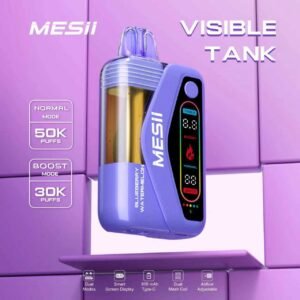
How do transparent tanks affect puff count accuracy?
Many high-capacity devices now include transparent tanks. People often think this feature improves puff count accuracy. It does not.
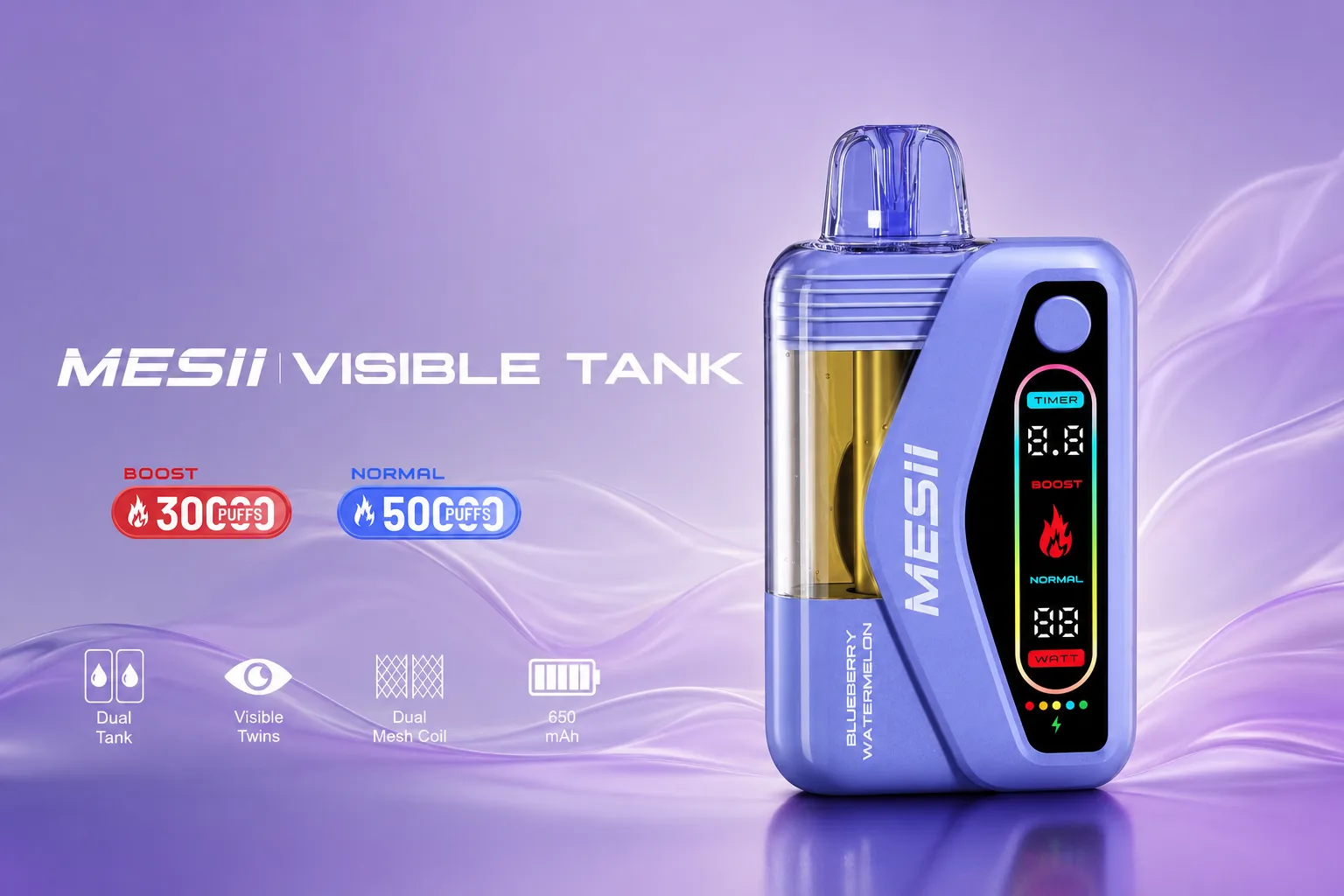
A transparent tank does not increase puff count accuracy. Its value is visibility. Users can monitor the approximate remaining e-liquid level and identify whether weak performance is caused by low liquid, low battery, or another device issue.
I prefer transparent tanks for a different reason. They help me understand what is happening inside the device.
Last week I noticed one of my devices producing weaker vapor. I checked the tank. It was almost empty. The battery indicator still showed 60%. Without the transparent tank, I would have assumed the battery was dying. I would have been wrong.
Transparent tanks also help you avoid dry hits. A dry hit happens when the coil heats without enough liquid3. The result is a burnt taste. Transparent tanks let you see when liquid is low so you can prepare to recharge or replace the device.
Some dual-flavor devices have two separate transparent tanks. This design lets you monitor both flavors independently. If one flavor runs out faster, you know which side to stop using.
But transparency does not guarantee accurate puff counts. A device with a transparent tank can still deliver fewer puffs than advertised if you use boost mode or take long draws.
The tank just gives you more information. It does not change how the device performs.
What is the difference between single-flavor and dual-flavor high-puff devices?
High-capacity devices now come in two main configurations. Single-flavor devices have one tank. Dual-flavor devices have two tanks or two separate chambers.
Single-flavor visible-tank devices are better for users who prefer simplicity and consistent flavor. Dual-flavor visible-tank devices are designed for users who want variety and the convenience of switching between two flavors without carrying two separate products.
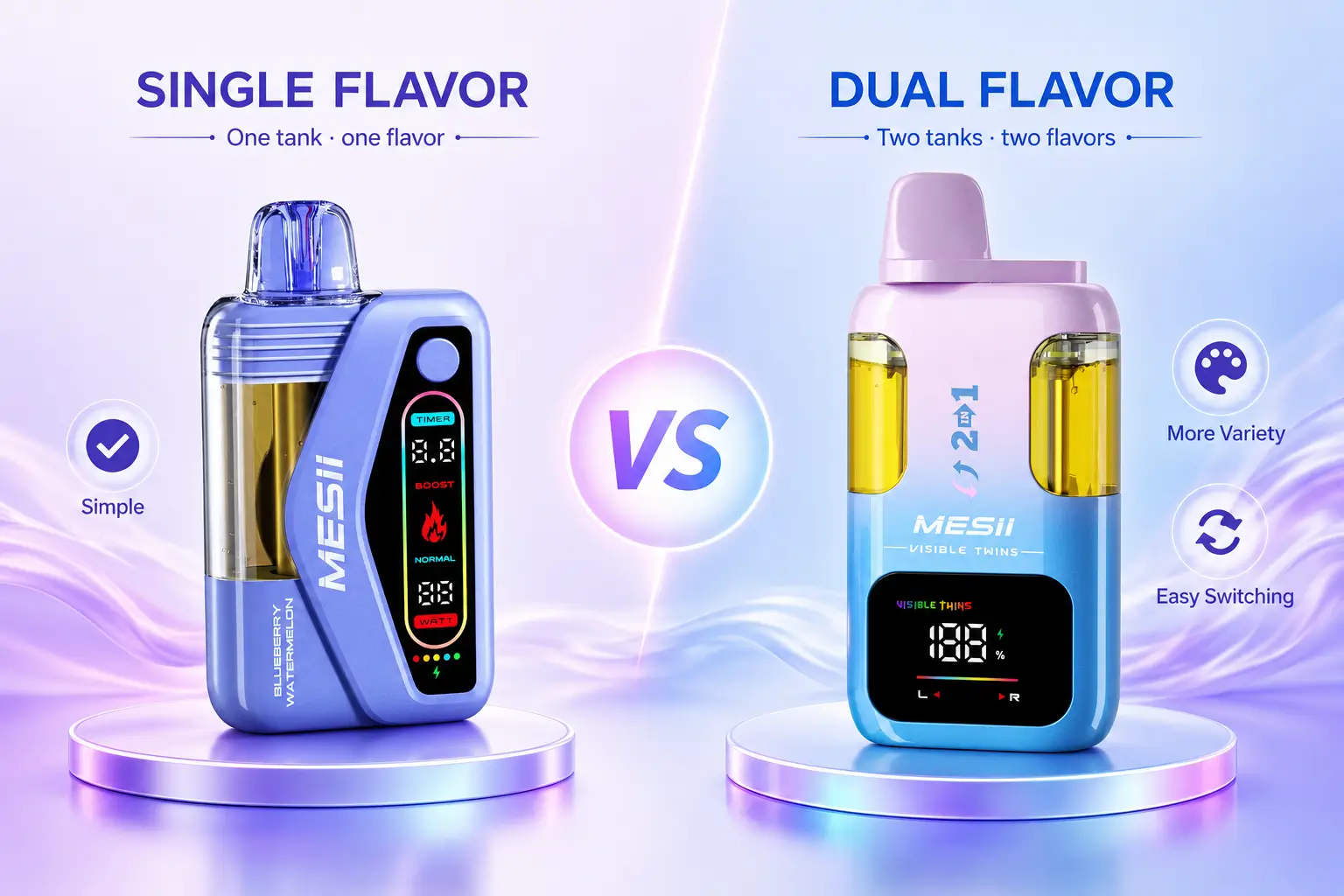
I use both types depending on the situation. When I travel, I prefer dual-flavor devices. I do not want to carry multiple devices through airport security. A dual-flavor device gives me two options in one package.
At home, I usually prefer single-flavor devices. They are simpler. I do not need to think about which side to use. I just pick up the device and vape.
Single-flavor devices usually have one large tank. The coil and airflow system are designed to deliver one consistent experience. This design tends to be more reliable because there are fewer moving parts.
Dual-flavor devices have two separate tanks or chambers. Each side has its own coil, airflow, and flavor. You switch between them using a button or slider. Some models let you alternate between flavors with each puff. Others require you to manually switch modes.
The dual-flavor design is more complex. More components means more potential points of failure. But most high-quality dual-flavor devices are reliable if the manufacturer uses good materials.
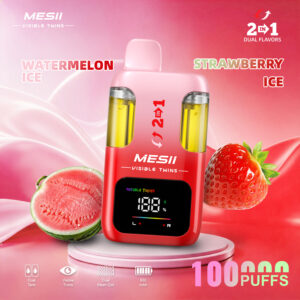
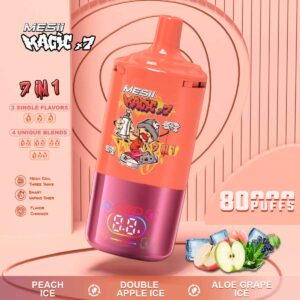
One important detail: when a dual-flavor device advertises 100,000 puffs, that number usually refers to the combined total of both tanks. Each tank might deliver 50,000 puffs. If you only use one flavor, you only get 50,000 puffs.
This is not a problem as long as you understand what the number means. But it confuses some buyers who expect 100,000 puffs from a single flavor.
How do extremely high puff counts depend on device structure?
When I first saw a 100,000-puff claim, I was skeptical. I wondered how any disposable device could hold that much e-liquid.
A 100,000-puff claim is often based on two separate tanks, two flavor chambers, or the total combined capacity of the entire device. Buyers should check whether the advertised figure refers to one tank or the total system.
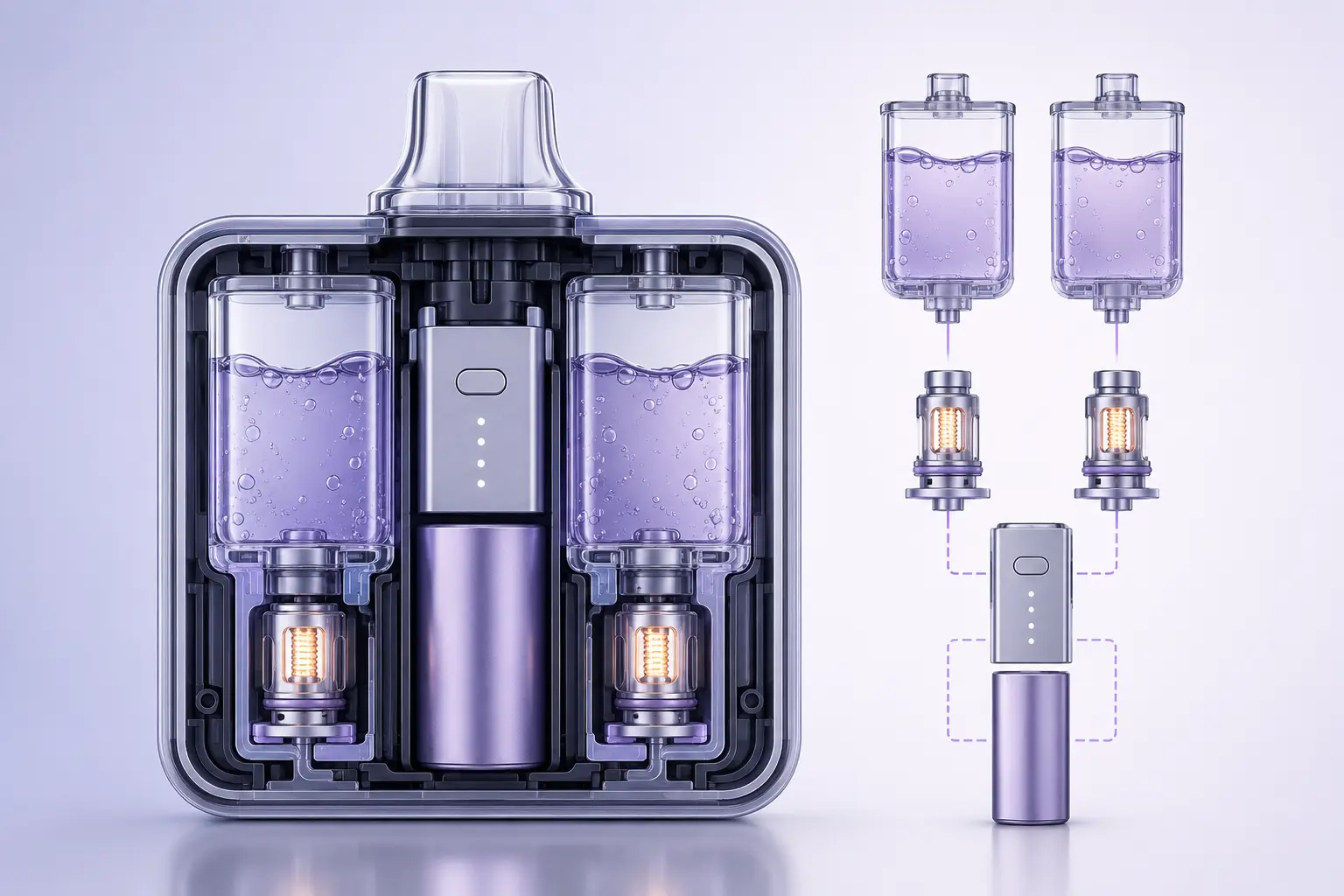
I asked several manufacturers about this. Most confirmed that their 100,000-puff devices use dual tanks. Each tank holds 50 milliliters. The total is 100 milliliters. The total puff count is based on both tanks combined.
This structure makes sense. A single 100-milliliter tank would be impractical. The device would be too large. The coil would struggle to wick liquid from such a large reservoir. Splitting the capacity into two tanks solves these problems.
Some devices use a different structure. Instead of two completely separate tanks, they use one large reservoir with two separate chambers. Each chamber has its own flavor and coil. The battery powers both chambers. This design is slightly more compact than two separate tanks.
A few devices achieve high puff counts through modular design. The main body contains the battery and control chip. Users attach disposable pods that contain e-liquid and coils. Each pod might deliver 30,000 puffs. Users can attach multiple pods to reach higher total puff counts.
This modular approach is not technically a disposable vape. It is closer to a pod system. But some manufacturers market it as a high-puff disposable because users do not refill the pods manually.
The key lesson is simple. Always check the product specifications. Look for details about tank configuration, chamber design, and flavor capacity. If the manufacturer does not provide this information, the puff count claim is probably exaggerated.
Why is e-liquid capacity more measurable than puff count?
I prefer to evaluate devices based on e-liquid capacity rather than puff count. Capacity is a physical measurement. Puff count is an estimate.
Puff count varies based on testing conditions, but e-liquid capacity is a physical product specification. Although there is no universal conversion between milliliters and puffs, comparing liquid capacity helps buyers judge whether a product claim appears reasonable.
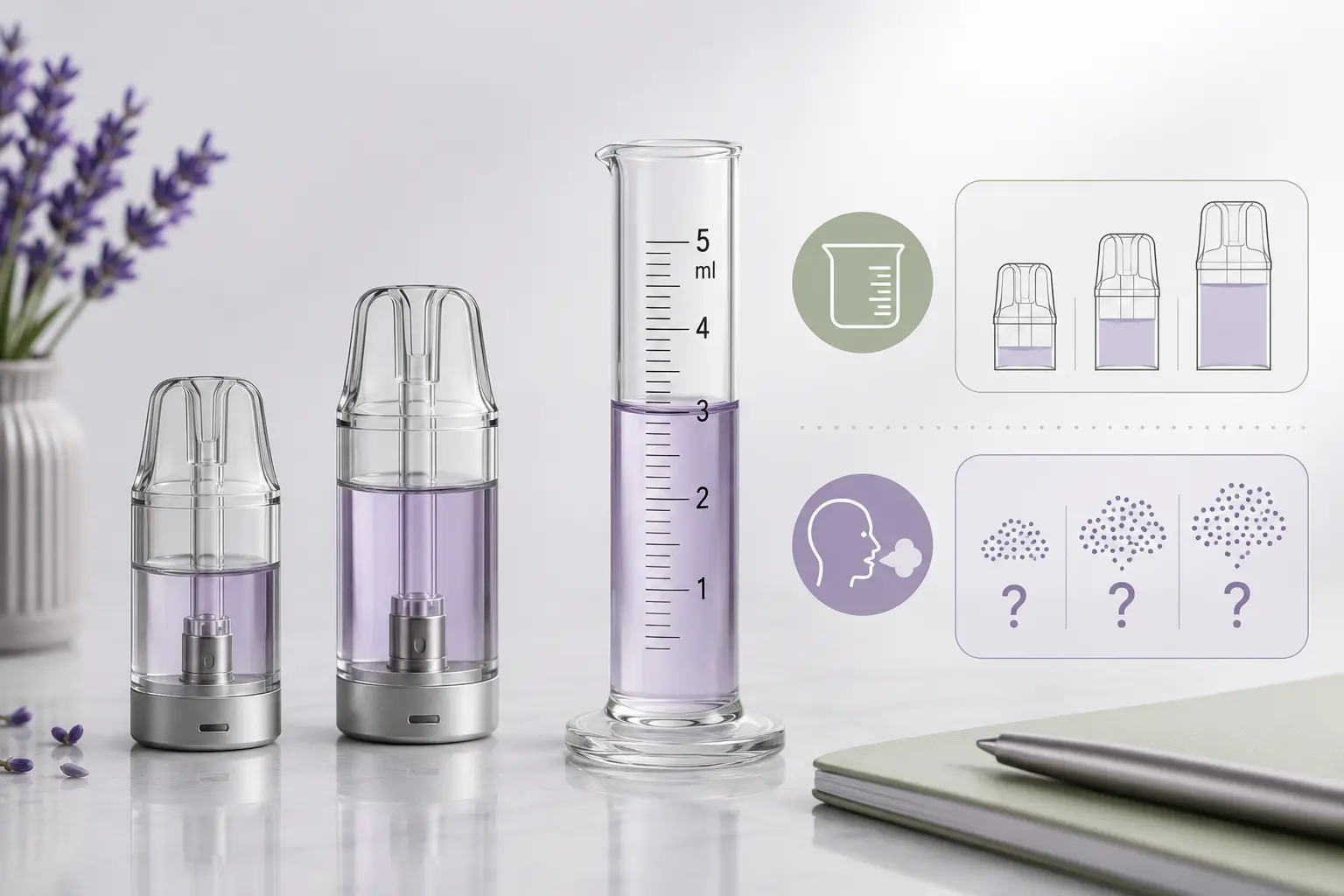
Most manufacturers estimate that one milliliter of e-liquid delivers between 500 and 1,000 puffs4. This range is wide because it depends on coil resistance, power output, and draw length.
A 50-milliliter device should deliver between 25,000 and 50,000 puffs. If a manufacturer claims 70,000 puffs from a 50-milliliter tank, the claim is probably unrealistic.
I use this calculation as a quick sanity check. When I see a new high-puff device, I divide the advertised puff count by the e-liquid capacity. If the result is above 1,000 puffs per milliliter, I ask for more details.
Some manufacturers achieve higher puff-per-milliliter ratios through efficient coil design or lower power output. But these designs usually sacrifice vapor production or flavor intensity. There is no free lunch.
E-liquid capacity also helps you compare devices across different brands. Two devices might both claim 50,000 puffs. One has 50 milliliters. The other has 40 milliliters. The 50-milliliter device is probably more reliable.
Capacity is especially important in markets with regulatory limits. In the EU, disposable vapes cannot exceed 2 milliliters under current TPD regulations5. In Australia, nicotine vapes require prescription6, and capacity limits vary by state. Buyers should always verify local rules before importing high-capacity devices.
Why is rechargeability essential for high-capacity devices?
A 50,000-puff device cannot run on a single battery charge. The battery would need to be enormous. High-capacity devices require rechargeable batteries.
High-puff disposable vapes normally rely on rechargeable batteries. The battery must remain reliable through multiple charging cycles so users can continue using the available e-liquid. Battery quality, charging stability, and Type-C support are as important as battery capacity.
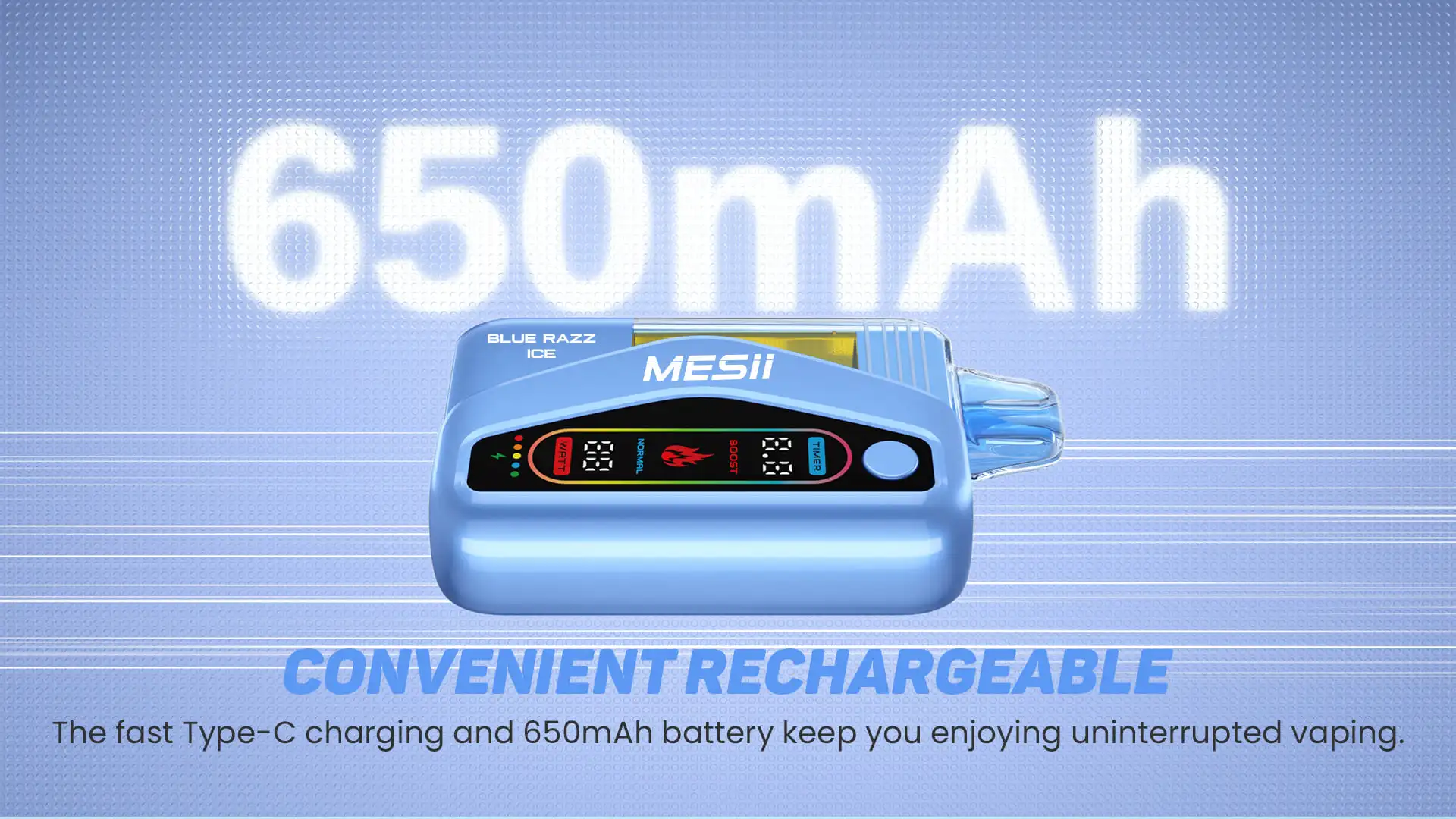
Most high-capacity devices use batteries between 600mAh and 1,000mAh. A 50-milliliter device might require 8 to 12 recharge cycles before the e-liquid runs out.
Battery quality matters a lot. A poor-quality battery loses capacity after a few cycles. By the tenth charge, it might only hold 70% of its original capacity. This reduces total usage time.
I always check whether a device uses Type-C charging. Type-C is faster and more reliable than Micro-USB. It also supports higher charging currents, which reduces charging time.
Charging stability is another important factor. Some cheap devices do not include overcharge protection. Overcharging damages the battery and reduces lifespan. High-quality devices include protection circuits that stop charging when the battery is full.
Some manufacturers also include fast-charging features. A device with 1A charging might fully charge in 45 minutes. A device with 2A charging might fully charge in 25 minutes. Faster charging is convenient, but it can reduce battery lifespan slightly if the battery quality is poor.
I recommend checking user reviews before buying high-capacity devices. Look for comments about battery performance after multiple charging cycles. If many users report battery failure before the e-liquid runs out, avoid that device.
How do stronger modes reduce total usage?
Most high-capacity devices include multiple power modes. Common options include Normal, Boost, and Eco modes. Each mode changes power output.
Boost or high-power modes produce stronger vapor and flavor, but they also consume e-liquid and battery power more quickly. The highest advertised puff count is usually more achievable under Normal or Eco mode.
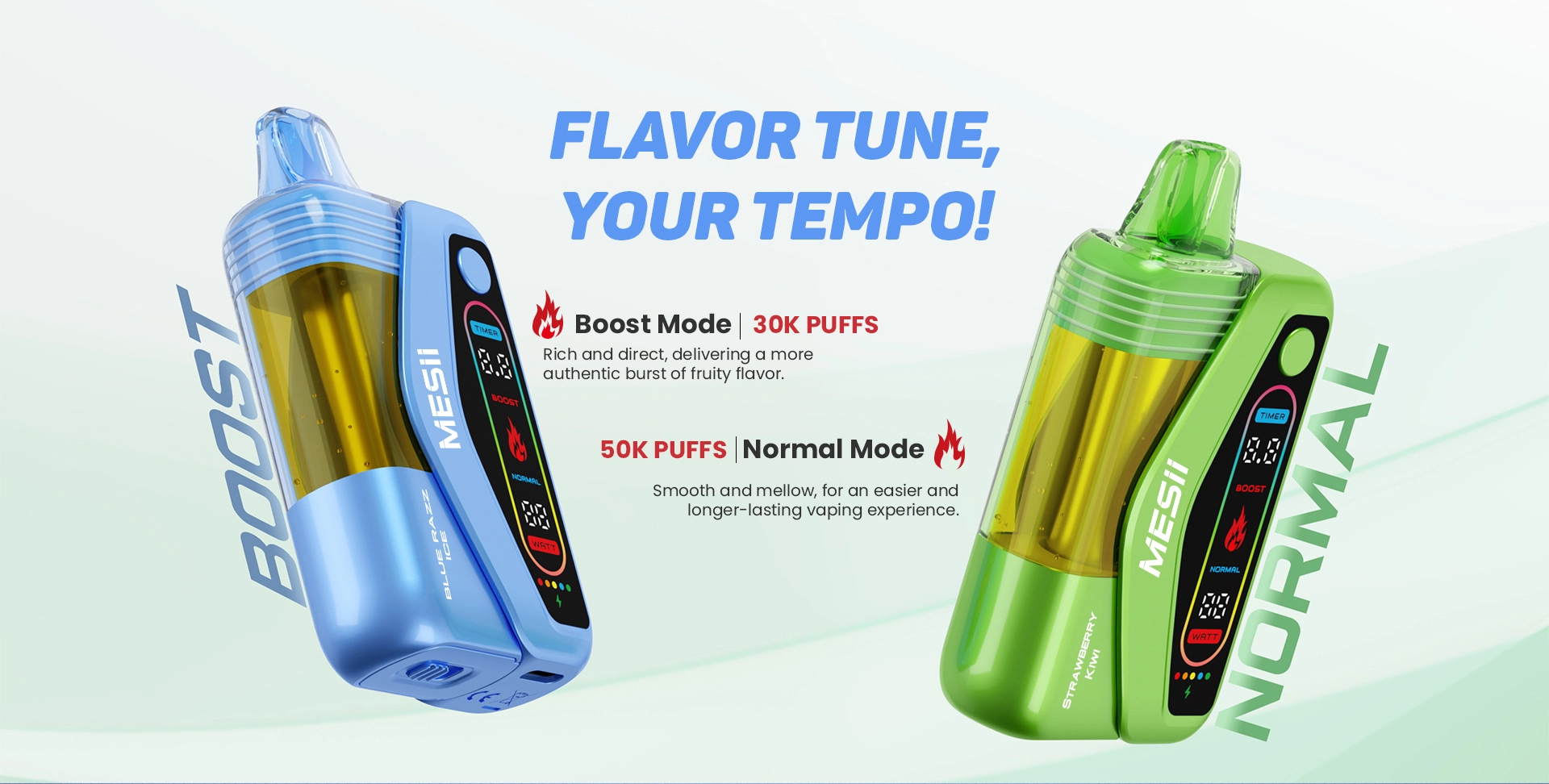
I tested this using a 50,000-puff device. In Normal mode, I got 48,000 puffs. In Boost mode, I got 34,000 puffs. The difference was about 30%.
Boost mode increases wattage by 20% to 40%7. Higher wattage vaporizes more liquid per puff. It also drains the battery faster. The result is stronger flavor and denser vapor, but shorter total lifespan.
Eco mode does the opposite. It reduces wattage by 10% to 20%. This produces lighter vapor and milder flavor, but it extends battery life and e-liquid usage. A device might deliver 60,000 puffs in Eco mode if it delivers 50,000 puffs in Normal mode.
Most users prefer Normal mode. It balances vapor production, flavor intensity, battery life, and e-liquid consumption. Boost mode is useful when you want a stronger hit, but it is not practical for daily use.
Some devices adjust power output automatically based on draw strength. If you take a hard draw, the device increases wattage temporarily. If you take a light draw, it reduces wattage. This smart mode helps optimize performance and efficiency.
The key point is simple. If you want to reach the advertised puff count, use Normal mode most of the time. Save Boost mode for occasional use.
What specifications build more trust than large numbers?
I ignore devices that only advertise a puff count without other details. A trustworthy product provides complete specifications.
A trustworthy high-capacity product should clearly disclose e-liquid capacity, battery capacity, coil configuration, power modes, charging method, liquid indicator, battery indicator, and authenticity information. A large puff number without supporting specifications provides very little useful information.
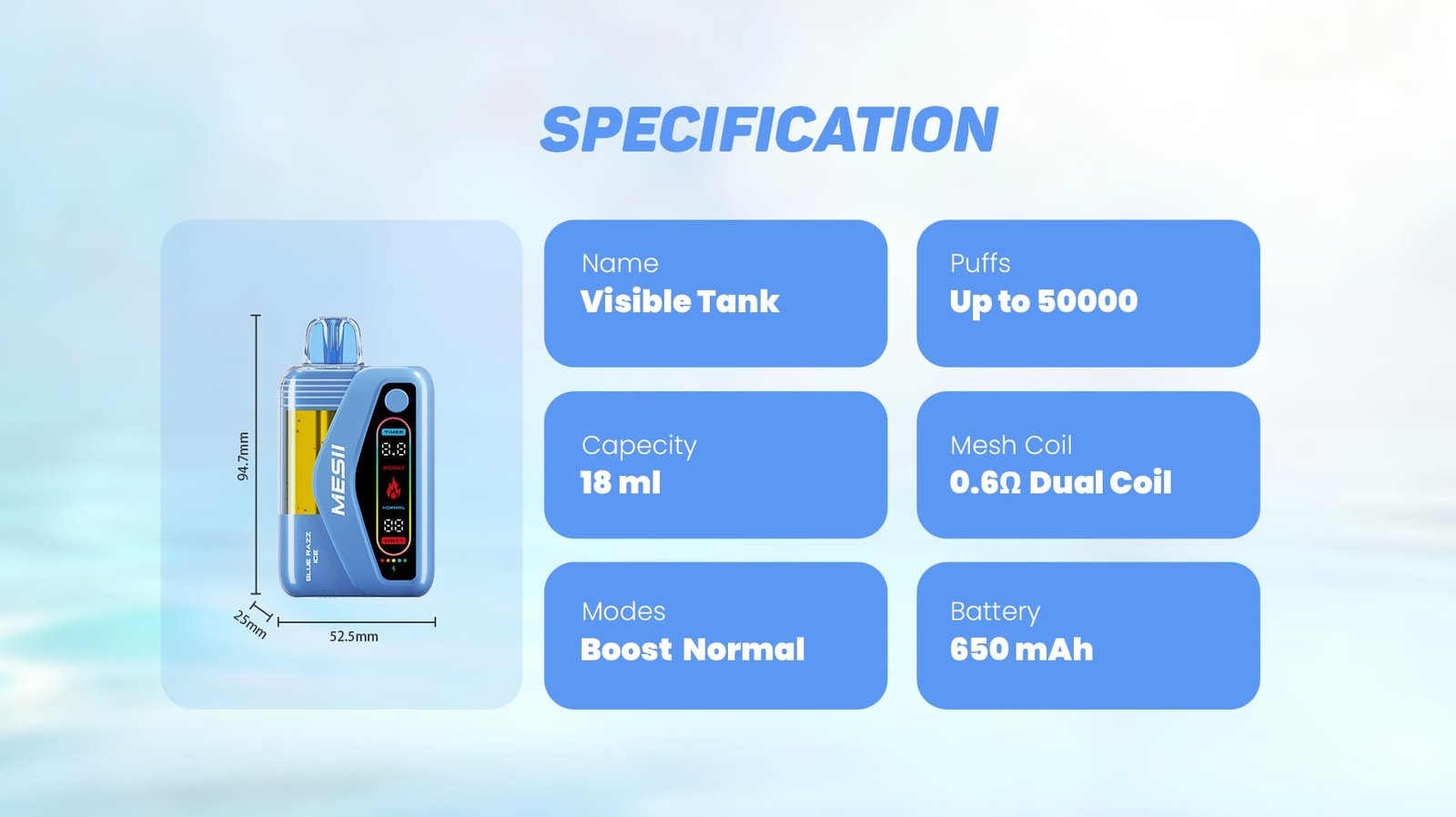
When I evaluate a new device, I look for the following details:
E-liquid capacity: The exact volume in milliliters. This helps me calculate realistic puff estimates.
Battery capacity: The exact capacity in mAh. This helps me estimate how many charging cycles I will need.
Coil configuration: The type of coil and resistance. Mesh coils usually perform better than standard coils8.
Power modes: The available modes and their wattage ranges. This helps me understand how the device will perform.
Charging method: The type of port and charging current. Type-C is better than Micro-USB.
Liquid indicator: Whether the device has a transparent tank or LED indicator.
Battery indicator: Whether the device has an LED that shows remaining battery level.
Authenticity information: Whether the device includes a verification code or QR code.
Devices that provide all these details are usually more reliable. Devices that only advertise a puff count are usually less trustworthy.
I also check for certifications. Devices sold in the EU should have CE marking. Devices sold in the US should comply with FDA regulations. Devices sold in Australia should comply with TGA requirements.
If a device does not provide clear specifications or certifications, I do not recommend it to customers.
What market compliance should buyers check separately?
High-capacity devices are available internationally, but they do not comply with every local market. Regulations vary significantly.
A high-capacity product may be available internationally but may not comply with every local market. Wholesalers and importers must confirm nicotine limits, tank-capacity rules, packaging requirements, registration obligations, and local disposable-vape restrictions before resale.
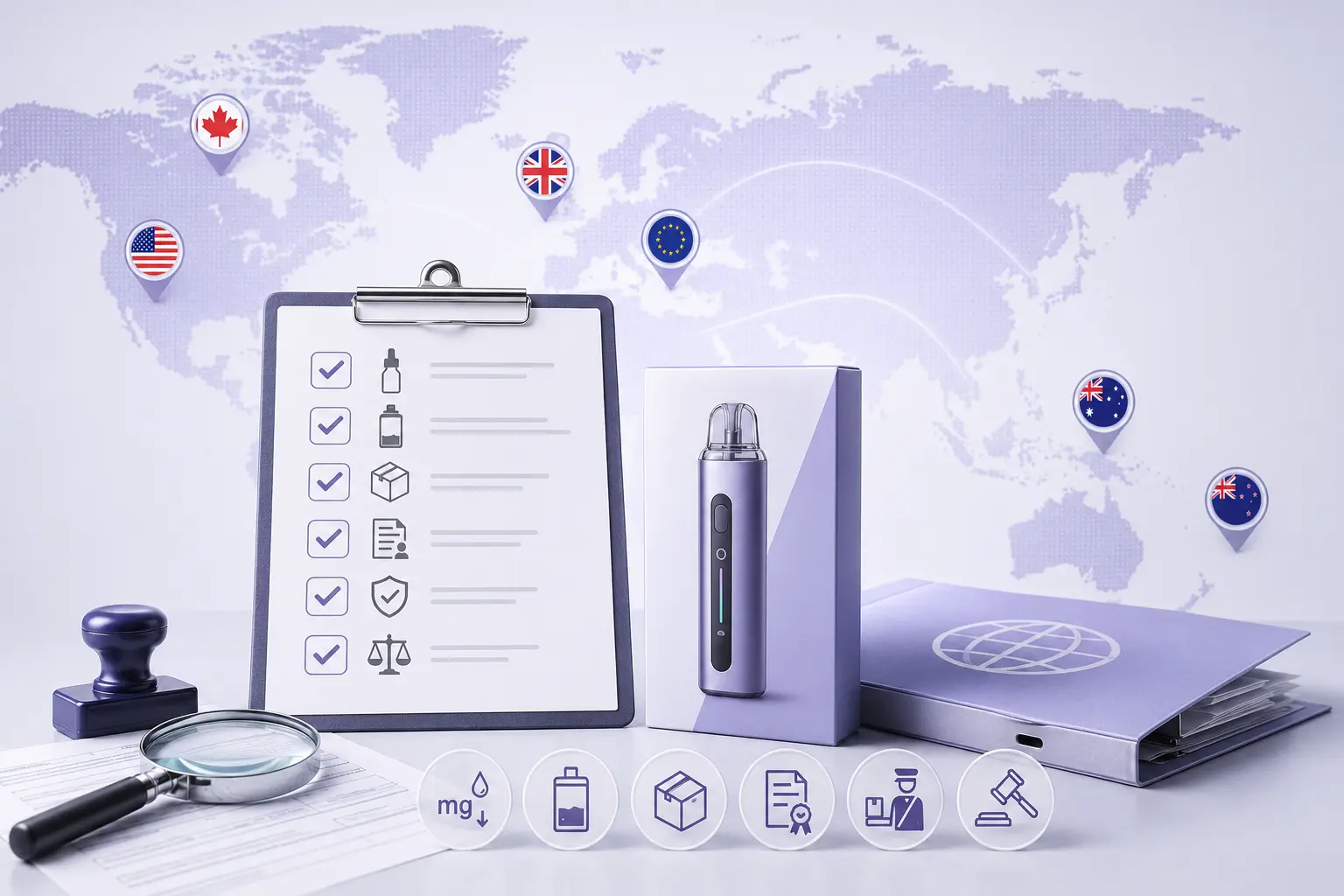
In the EU, the Tobacco Products Directive (TPD) limits disposable vapes to 2 milliliters and 20mg/ml nicotine. High-capacity devices that exceed these limits cannot be sold legally.
In the US, the FDA requires premarket authorization for all vaping products9. High-capacity devices without FDA approval cannot be sold legally. However, enforcement varies by state.
In Australia, nicotine vapes require a prescription. Importing high-capacity devices without proper authorization is illegal. Some states also restrict device capacity.
In Canada, nicotine concentration cannot exceed 20mg/ml. Tank capacity limits vary by province.
In the UK, TPD rules still apply even after Brexit. Devices cannot exceed 2 milliliters or 20mg/ml.
In New Zealand, vaping products must comply with the Smokefree Environments and Regulated Products Act. High-capacity devices are allowed, but nicotine concentration cannot exceed 20mg/ml.
I always advise importers to consult local regulations before ordering large quantities. Compliance failures can result in product seizure, fines, or legal action.
Some manufacturers offer region-specific versions of their devices. A 100,000-puff device sold internationally might have a
"Measurement of Electronic Cigarette Frequency of Use Among ...", https://pmc.ncbi.nlm.nih.gov/articles/PMC7171268/. Research on e-cigarette testing protocols indicates that puff count estimates are typically derived from standardized laboratory conditions using automated puffing machines with fixed draw durations and intervals, which may not reflect diverse real-world usage patterns. Evidence role: mechanism; source type: research. Supports: the laboratory testing methodology used to estimate puff counts. Scope note: Testing standards vary across manufacturers and regulatory jurisdictions ↩
"Impact of e-liquid flavors on e-cigarette vaping behavior - PMC - NIH", https://pmc.ncbi.nlm.nih.gov/articles/PMC6211798/. Studies on e-cigarette aerosol generation demonstrate that longer puff durations result in proportionally greater e-liquid consumption and aerosol production, with extended draws consuming substantially more liquid than shorter puffs due to increased heating time and vaporization. Evidence role: statistic; source type: research. Supports: the relationship between draw duration and e-liquid consumption in vaping devices. Scope note: Exact proportions vary based on device design, power settings, and coil characteristics ↩
"Does 'Dry Hit' vaping of vitamin E acetate contribute to EVALI ... - PMC", https://pmc.ncbi.nlm.nih.gov/articles/PMC7470376/. Technical analysis of e-cigarette operation confirms that dry hits occur when heating elements activate without adequate e-liquid saturation, resulting in overheating of wicking material and production of acrid-tasting thermal degradation products rather than normal aerosol. Evidence role: mechanism; source type: research. Supports: the technical mechanism causing dry hits in vaping devices. ↩
"Products - Data Briefs - Number 524 - January 2025 - CDC", https://www.cdc.gov/nchs/products/databriefs/db524.htm. Industry technical documentation and device testing data indicate that e-liquid consumption rates typically range from approximately 500 to 1,000 puffs per milliliter, though actual rates vary significantly based on device power output, coil resistance, puff duration, and user behavior. Evidence role: statistic; source type: research. Supports: typical conversion ratios between e-liquid volume and puff counts. Scope note: Wide variation exists across device types and usage patterns ↩
"Emerging Electronic Cigarette Policies in European Member States ...", https://pmc.ncbi.nlm.nih.gov/articles/PMC8025686/. The European Union Tobacco Products Directive (2014/40/EU) establishes a maximum capacity of 2 milliliters for electronic cigarette refill containers and disposable electronic cigarettes, along with nicotine concentration limits of 20 mg/ml, as part of harmonized product safety standards across member states. Evidence role: general_support; source type: government. Supports: EU regulatory limits on disposable vape e-liquid capacity. ↩
"Do Australians use the prescription pathway when using nicotine ...", https://pmc.ncbi.nlm.nih.gov/articles/PMC11337190/. Australian Therapeutic Goods Administration regulations classify nicotine for vaping as a prescription-only medicine, requiring users to obtain a valid prescription from a registered medical practitioner to legally access nicotine vaping products, as part of the country's restrictive approach to e-cigarette regulation. Evidence role: general_support; source type: government. Supports: Australian prescription requirements for nicotine vaping products. ↩
"What do boost mode do on disposables : r/electronic_cigarette", https://www.reddit.com/r/electronic_cigarette/comments/1d7n6f1/what_do_boost_mode_do_on_disposables/. Technical specifications from multi-mode vaping devices indicate that boost or high-power modes typically increase power output by approximately 20-40% above normal operating wattage to enhance vapor production and flavor intensity, though exact increases vary by device design and battery capacity. Evidence role: statistic; source type: other. Supports: typical wattage increases provided by boost or high-power modes in vaping devices. Scope note: Power increase percentages vary across manufacturers and device models ↩
"RDA mesh vs standard coils : r/electronic_cigarette - Reddit", https://www.reddit.com/r/electronic_cigarette/comments/yd3he4/rda_mesh_vs_standard_coils/. Technical analysis of e-cigarette heating elements demonstrates that mesh coil designs provide larger surface area contact with wicking material, more uniform heat distribution, and faster heating response compared to traditional wire coils, generally resulting in improved vapor production and flavor delivery. Evidence role: mechanism; source type: research. Supports: performance characteristics of mesh coils compared to traditional wire coils. Scope note: Performance advantages depend on proper device design integration and user preferences ↩
"E-Cigarettes Authorized by the FDA", https://www.fda.gov/tobacco-products/market-and-distribute-tobacco-product/e-cigarettes-vapes-and-other-electronic-nicotine-delivery-systems-ends-authorized-fda. The U.S. Food and Drug Administration requires manufacturers to obtain premarket authorization through the Premarket Tobacco Product Application (PMTA) process for all electronic nicotine delivery systems (ENDS) marketed in the United States, as established under the Family Smoking Prevention and Tobacco Control Act and subsequent regulatory actions. Evidence role: general_support; source type: government. Supports: FDA premarket authorization requirements for vaping products. ↩